Pilates During Pregnancy – Safe Movement for Expecting Mothers and Babies
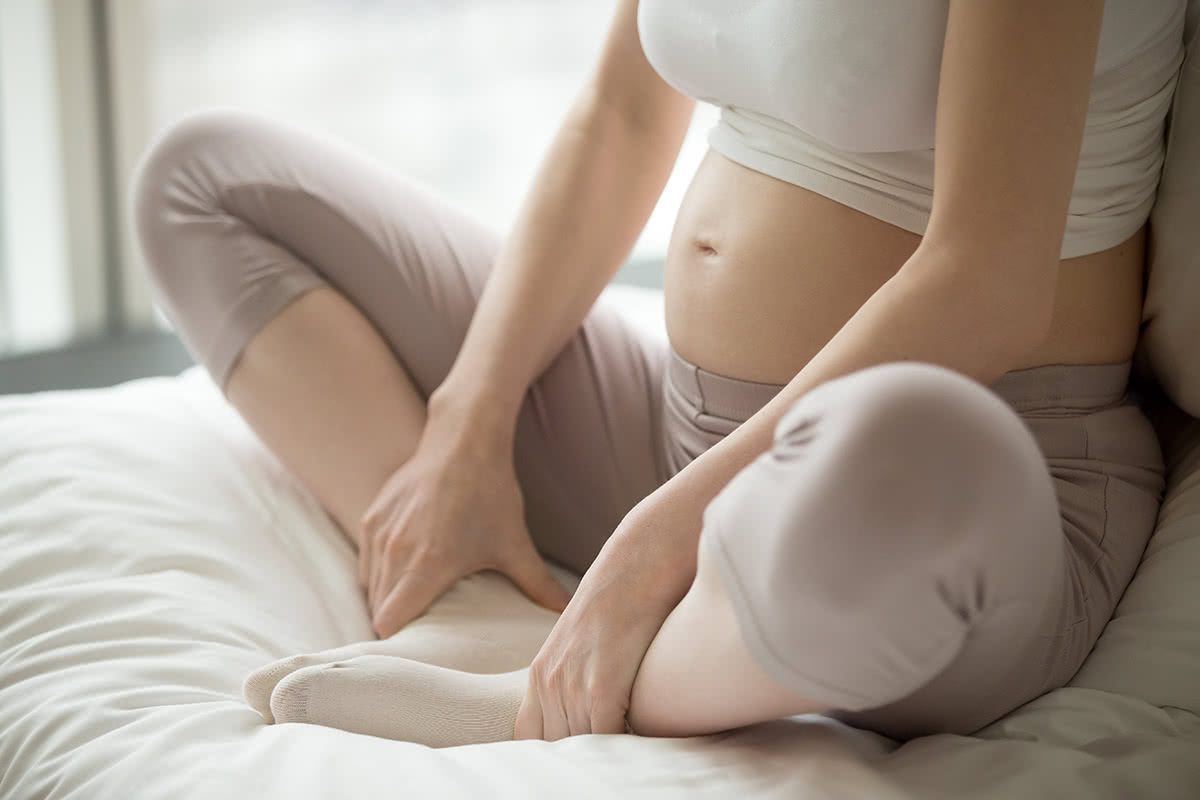
Pregnancy is a special time, so taking care of your physical and mental health during this period of life should be a priority. Pilates for pregnant women is growing in popularity, offering expectant mothers a workout that strengthens, relaxes, and prepares the body for childbirth. But is it really safe for every future mom? Even in such a special condition, can you continue training or start your Pilates journey? In this article, we’ll answer the most important questions and suggest what to look out for when searching for the ideal Pilates studio.
Pilates for pregnant women – is it the right solution for every woman?
Most doctors agree: physical activity during pregnancy is not only allowed but actively recommended, provided there are no medical contraindications. Pilates is an ideal choice, even for women who weren’t very active before pregnancy.
| Remember!
Always consult your doctor who is overseeing your pregnancy before starting or continuing exercise. If you get the green light, you can begin training even in the first trimester. Remember, though, to take a gentle approach and listen to your body – and your teacher too! |
Beginners should choose professional studios where they’ll find the support of experienced instructors (ideally trained to work with pregnant women), and of course let them know right from the start about your pregnancy. You can begin at any week of pregnancy and practice Pilates right up until birth.
In the first trimester, however, you shouldn’t overdo the effort. Despite the calm and slow nature of the exercises, training on your own at home may prove too risky – it’s easy to perform movements that should be very precise inaccurately, or to get injured.
Why choose Pilates during pregnancy? Benefits that will surprise you
Pilates is a workout that supports a woman’s body at every stage of pregnancy. Here are the most important benefits:
- Strengthening the pelvic floor muscles – hugely important for preparing for childbirth and recovering faster afterward.
- Improved posture – Pilates helps you cope with changes in your figure, reducing back pain, which often accompanies pregnancy.
- Better wellbeing and stress reduction – regular movement and conscious breathing help relax the mind and body, preparing the expectant mother for the challenges of motherhood.
- Improved circulation and reduced swelling – exercises help reduce swelling in the legs and feet.
- Faster return to shape after birth – strong deep muscles and a stable spine are the foundation for efficient recovery.
What to look for when choosing Pilates classes for pregnant women?
Not every studio and not every instructor is prepared to work with pregnant women. When choosing a place, make sure that:
- The instructor has specialist qualifications – look for a professional with certification to work with pregnant women, who knows how to modify exercises.
- Classes are in small groups or as personal training sessions – this ensures an individual approach and safety.
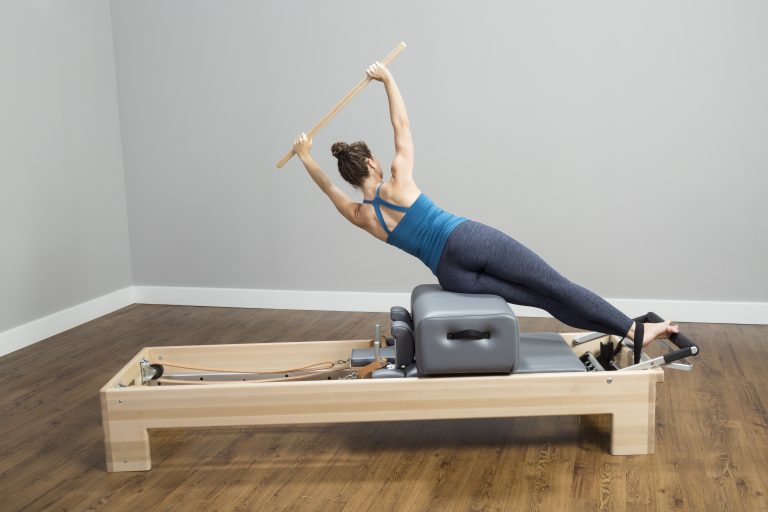
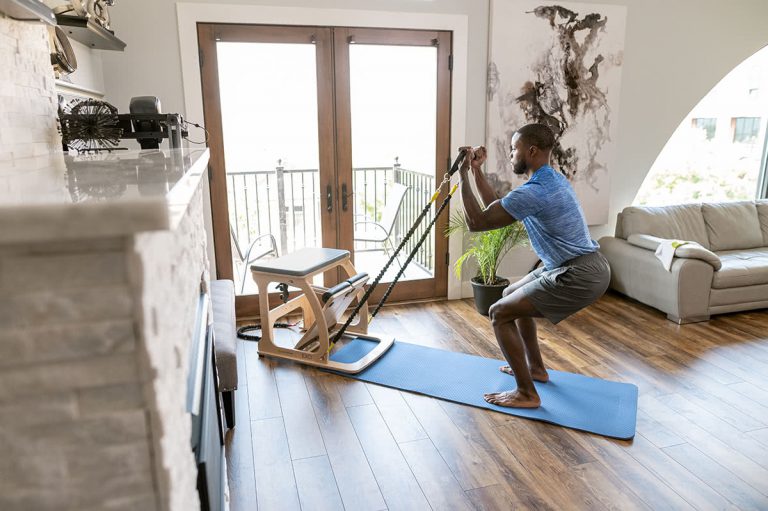
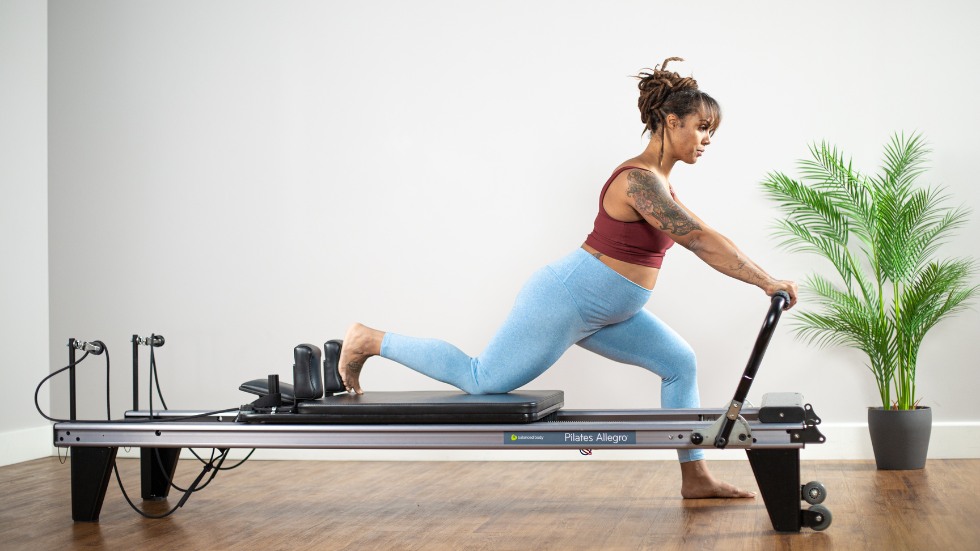
- The studio offers safe equipment – although many exercises can be done on a mat, professional equipment such as a reformer or chair allows for safe and effective modifications.
Pilates during pregnancy – what to avoid? Safety above all!
Your comfort and safety are fundamental. Pay attention to these warning signs and recommendations:
- Signs to stop exercising immediately – any pain, dizziness, uterine contractions, or discomfort is a signal to stop exercising right away and contact your doctor.
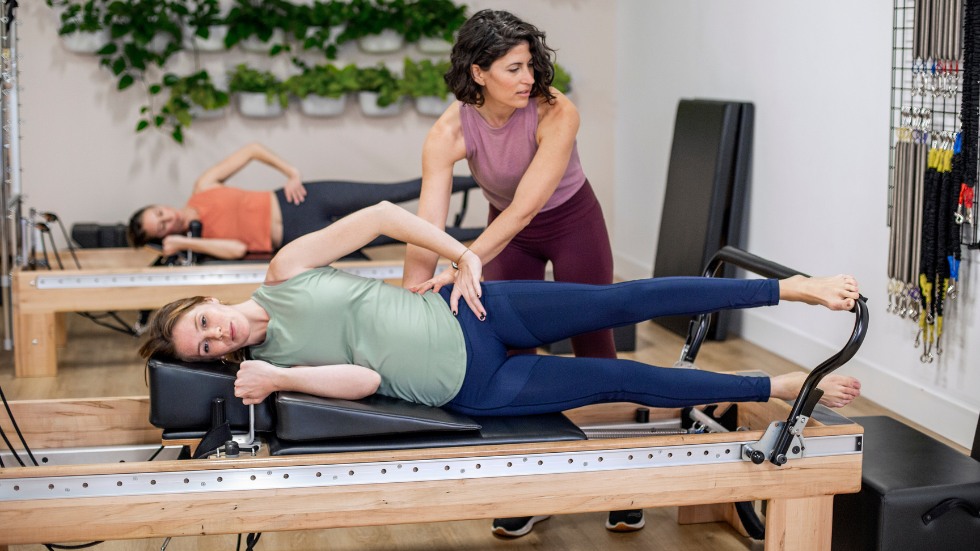
- Exercise modifications – in the second half of pregnancy, avoid lying on your back and stomach. The same goes for positions that require shifting your entire body weight onto your hands and knees – they can cause wrist pain, especially if you’re dealing with carpal tunnel syndrome. The instructor should offer alternative positions, e.g. on your side or in supported kneeling. Remember that during pregnancy your muscles and joints are more flexible (thanks to relaxin), so don’t stretch to your full range.
- Avoid extreme exertion – Pilates is gentle, controlled movement. Avoid exercises that raise your heart rate excessively or are too demanding. Not every change taking place in an expectant mother’s body, however, requires giving up your existing exercises entirely. Find out how much you need to modify your Pilates workout during pregnancy and how to adapt movement to your body’s current abilities.
An instructor properly prepared to work with pregnant women will, depending on the trimester, offer safe training positions. The teacher should show, for example, how to lean forward correctly using, among other things, an exercise ball.
Contraindications to practicing Pilates during pregnancy
Alarming symptoms that are an absolute contraindication to attending Pilates classes include any bleeding or leakage of fluids from the birth canal, unexplained back pain, pubic pain, or acute abdominal or chest pain.
You should not exercise when you experience extreme nausea, fever, uterine contractions, fainting, dizziness, difficulty walking, shortness of breath, or blurred vision.
Other conditions that rule out participation in classes include:
- intrauterine growth restriction,
- reduced fetal movement,
- placenta previa,
- cervical insufficiency,
- gestational hypertension,
- swelling caused by fluid retention in the body,
- 3 or more miscarriages.
Mothers with more than 3 children, especially those born by natural delivery, should also be careful. In such cases, the pelvic floor muscles are much more weakened, which significantly affects the safety of exercise.
Find the Pilates studio that’s ideal for you
Pilates definitely supports the health of both you and your baby. During this special time, choose wisely and put quality first. Balanced Body supports professional Pilates studios in Poland, providing them with the best equipment and training.
Want to find a studio in your area? Visit our map and start your journey with Pilates during pregnancy! Remember, mindful motherhood starts with taking care of yourself.❤️

I am a graduate in Managerial Economics as well as Finance and Accounting, with a specialization in Marketing. Since 2018, I have been working as a Copywriter at Balanced Body, where I create marketing content for the fitness and Pilates industries. One of my particular strengths is translating complex topics into accessible language and accurately analyzing the needs of target audiences. Outside of work, I am passionate about fire shows and volleyball, which helps me better understand the needs of physically active people.