


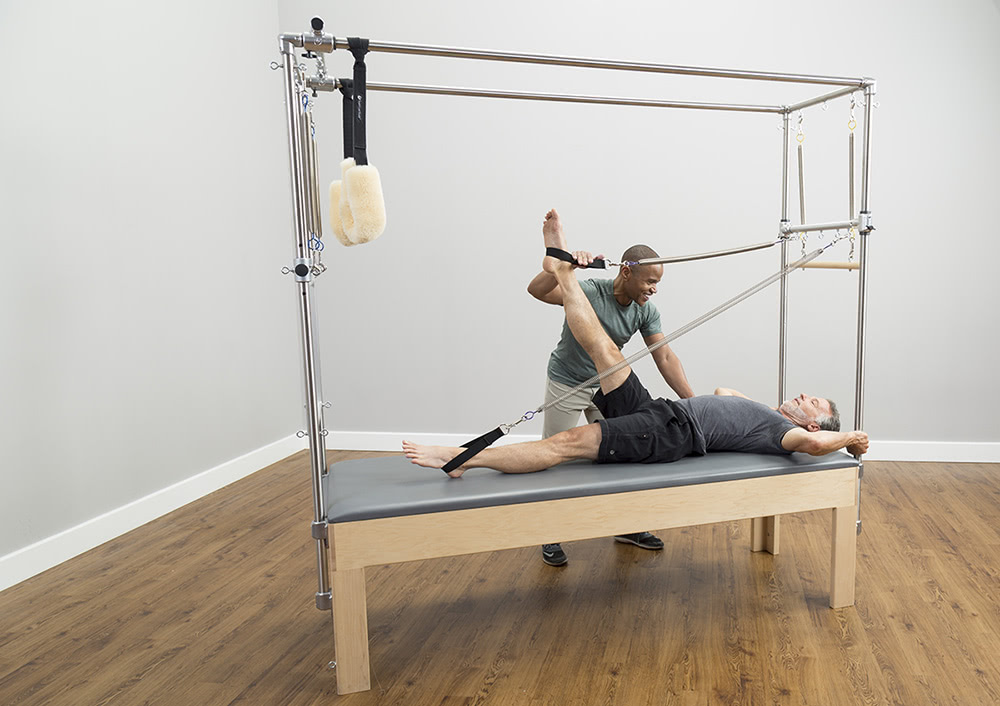
Rehabilitation: Pilates in a Different Way
Pilates continues to attract attention in the field of rehabilitation – and for good reason. Recent studies show Pilates as an appropriate method for treating common orthopedic injuries. Compared to other common forms of rehabilitation, Pilates has similar effects, if not better, in terms of physical and psychological benefits.
What is Pilates in rehabilitation?
Whether it is the original or classic set of exercises, it is perceived by millions of people around the world as the best tool for shaping abdominal muscles? Not quite, but it is excellent for individuals who have difficulty moving and performing traditional exercises, and thanks to exercises with supportive Pilates equipment, they tire less while exercising more effectively. Pilates improves breathing, strengthens and aligns the spine, and above all, enhances posture as well as mental well-being.
Many specialists believe that performing positive exercises without pain contributes best to improving patients’ health. The result of these exercises is a return to daily activities that have become limited due to bodily damage or illness. Rehabilitation professionals using Pilates in their work have noticed very positive outcomes when working with patients suffering from various conditions – from Parkinson’s disease to chronic lower back pain.
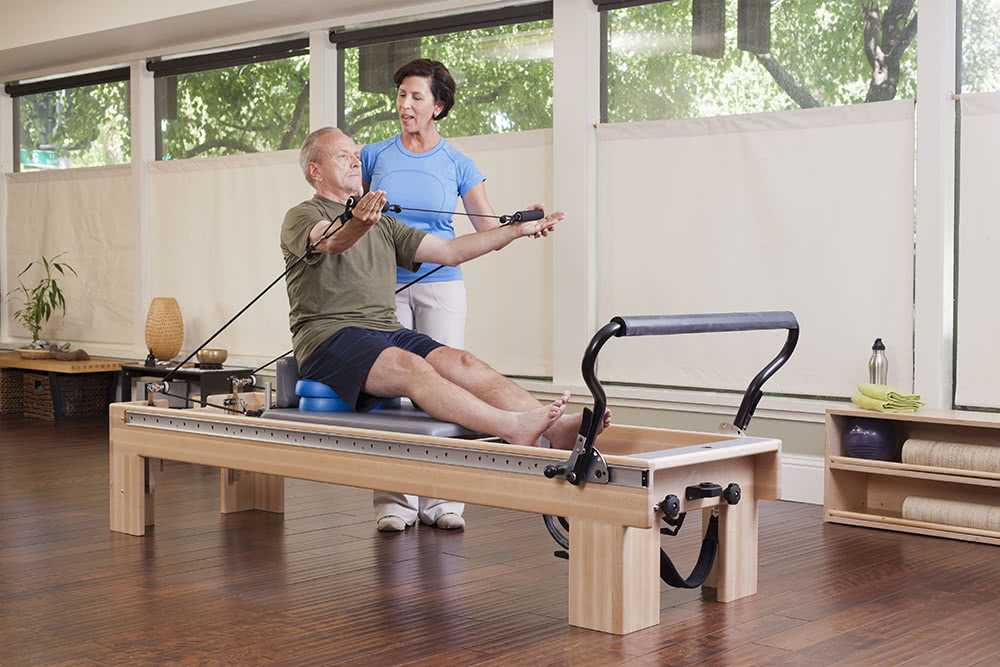
Pilates can be adapted to specific patients
Patients who, due to their illness, cannot overheat or exert themselves excessively (e.g., Multiple Sclerosis, heart attack, Parkinson’s disease, amyotrophic lateral sclerosis). The most important advantage of Pilates is the ability to adapt it to the patient’s movement capabilities, such as standing up, reaching, body rotation, and walking. The difficulty of exercises can also be adjusted using springs, levers, and various weighted exercises to enable patients to achieve their rehabilitative goal, which is to restore movement functions.
For rehabilitation professionals, this means they must learn many more techniques and exercises to be able to tailor them to the needs of specific patients. They must analyze therapeutic needs more thoroughly and deeply to set goals, match exercises to individual patients, and better influence the entire process, as well as modify it if necessary. All this is to ensure that the patient can once again enjoy their mobility.
A therapist wishing to conduct classes using Pilates must obtain special qualifications and a license. It is important to note that most of the latest research is conducted by licensed rehabilitation professionals who utilize comprehensive knowledge of Pilates in their studies.
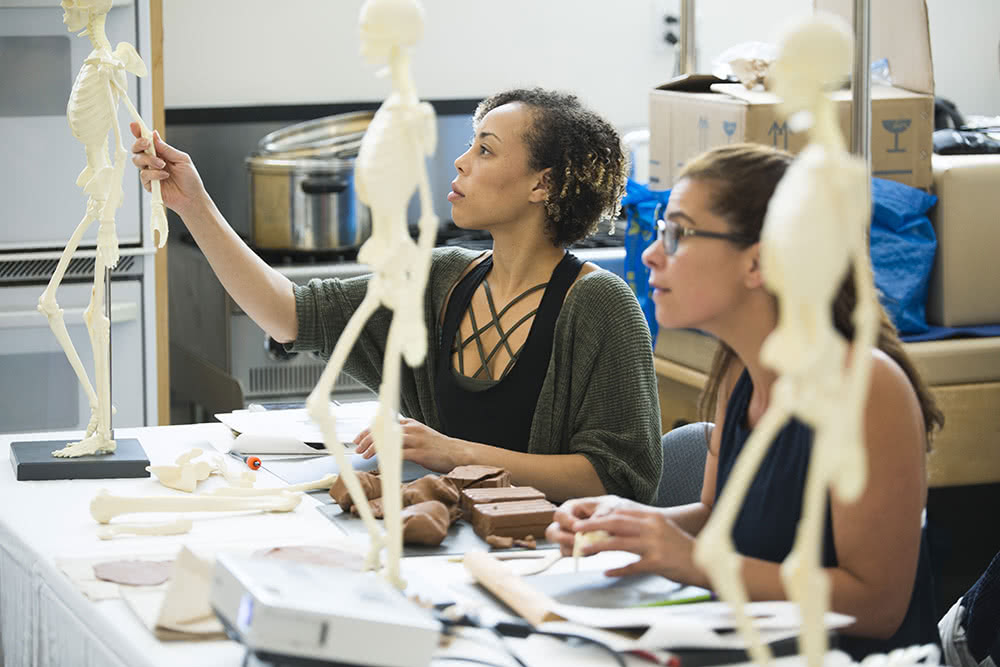
This text is one of many in a series that highlights the benefits of using Pilates in rehabilitation. Other articles will describe how to identify the rehabilitative needs of specific patient groups, how to enhance your knowledge, and how to use it to improve patients’ health.
We will examine various aspects of using Pilates and the conditions in which it can be utilized. We will provide detailed answers to the most frequently asked questions regarding the use of Pilates in rehabilitation and after its completion.
Brent Anderson PhD, PT, OCS is the president of Polestar Pilates. A licensed Physical Therapist and Orthopedist for over 13 years, Anderson is a leading authority in medicine for artists and the use of techniques derived from Pilates in rehabilitation. He lectures at national and international symposiums and advises dance groups, art schools, and music conservatories around the world.
Author Brent Anderson, PhD, PT, OCS, from the publication Balanced Body Pilates COREterly, Fall 2005.

I am a graduate in Managerial Economics as well as Finance and Accounting, with a specialization in Marketing. Since 2018, I have been working as a Copywriter at Balanced Body, where I create marketing content for the fitness and Pilates industries. One of my particular strengths is translating complex topics into accessible language and accurately analyzing the needs of target audiences. Outside of work, I am passionate about fire shows and volleyball, which helps me better understand the needs of physically active people.