


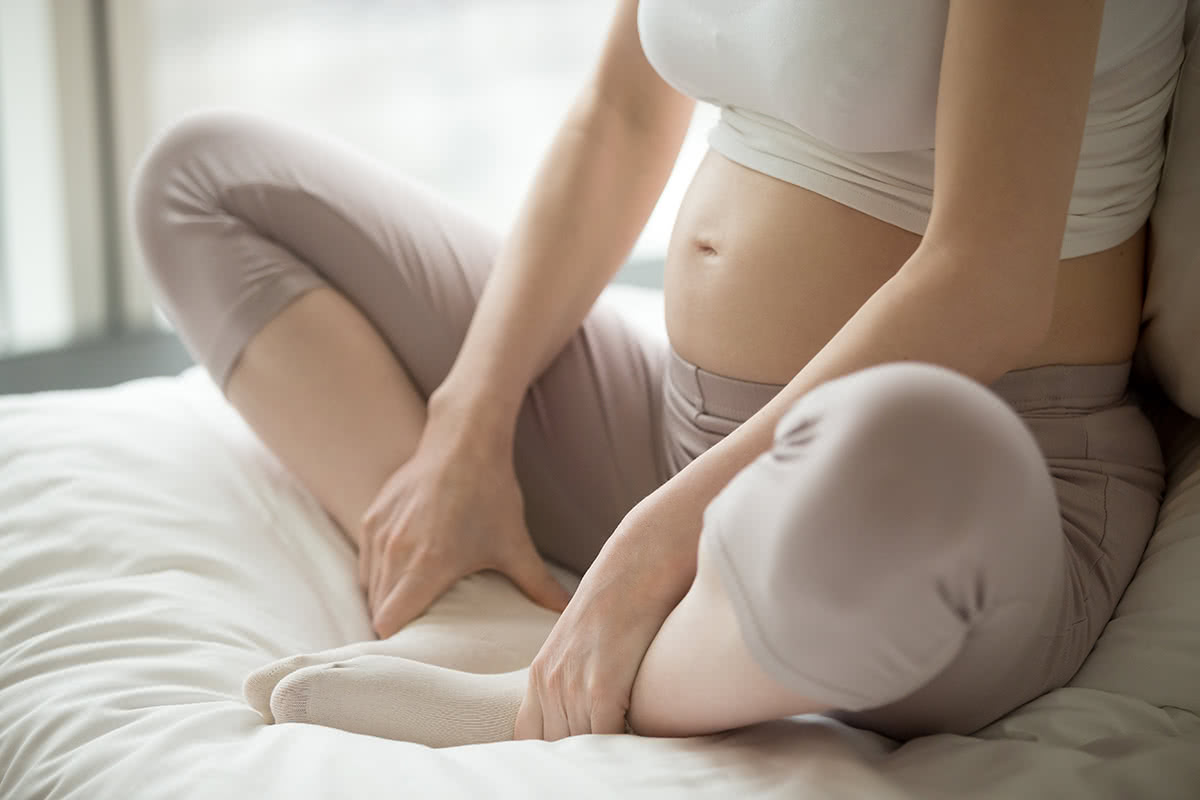
Pilates During Pregnancy – Safe Movement for Expecting Mothers and Babies
Ciąża to wyjątkowy czas, więc dbanie o zdrowie fizyczne i psychiczne w tym momencie życia powinno być priorytetem. Pilates dla kobiet w ciąży zyskuje na popularności, oferując przyszłym mamom trening, który wzmacnia, rozluźnia i przygotowuje ciało do porodu. Ale czy na pewno jest bezpieczny dla każdej przyszłej mamy? Czy nawet w tak wyjątkowym stanie, można pozwolić sobie na kontynuowanie treningów lub rozpoczęcie przygody z pilatesem? W tym artykule odpowiemy na najważniejsze pytania i podpowiemy, na co zwrócić uwagę, szukając idealnego studia pilatesu.
Pilates dla ciężarnych – czy to rozwiązanie dla każdej kobiety?
Większość lekarzy jest zgodna: aktywność fizyczna w ciąży jest nie tylko dozwolona, ale wręcz zalecana, pod warunkiem braku przeciwwskazań medycznych. Pilates jest idealnym wyborem, nawet dla pań, które przed ciążą nie były zbyt aktywne.
| Remember!
Always consult starting or continuing exercise with your obstetrician. If you get the green light, you can start training even in the first trimester. However, remember to take a gentle approach and listen to your body – as well as your instructor! |
Początkujące Panie powinny wybrać profesjonalne studia, w których znajdą wsparcie doświadczonych instruktorów (najlepiej przeszkolonych do pracy z kobietami w ciąży), oczywiście informując na samym początku o swoim błogosławionym stanie. Zacząć można w dowolnym tygodniu ciąży i praktykować pilates aż do samego porodu.
W pierwszym trymestrze nie należy jednak przesadzać z wysiłkiem. Mimo spokojnego i wolnego charakteru wykonywania ćwiczeń samodzielne treningi w domu mogą okazać się zbyt ryzykowne – nietrudno wtedy o niedokładne wykonywanie ruchów, które powinny być bardzo precyzyjne, czy też kontuzje.
Dlaczego warto wybrać pilates w ciąży? Korzyści, które Cię zaskoczą
Pilates to trening, który wspiera ciało kobiety na każdym etapie ciąży. Oto najważniejsze korzyści:
- Strengthening the pelvic floor muscles – is crucial for preparing for childbirth and faster recovery afterwards.
- Improvement of posture – pilates helps cope with changes in body shape, reducing back pain, which often accompanies pregnancy.
- Better well-being and stress reduction – regular movement and conscious breathing help relax the mind and body, preparing the future mother for the challenges of motherhood.
- Improved circulation and reduced swelling – exercises help reduce swelling in the legs and feet.
- Faster return to form after childbirth – strong deep muscles and a stable spine are essential for efficient recovery.
Na co zwrócić uwagę, wybierając zajęcia pilatesu dla ciężarnych?
Nie każde studio i nie każdy instruktor są przygotowani do pracy z kobietami w ciąży. Wybierając miejsce, upewnij się, że:
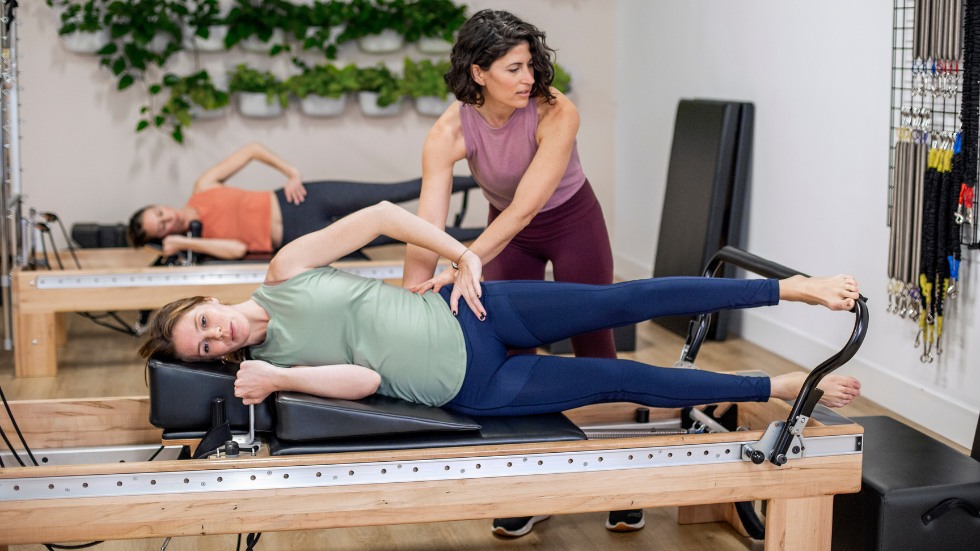
- The instructor has specialized qualifications – look for a specialist certified to work with pregnant women who knows how to modify exercises.
- Classes are in small groups or in the form of personal training – this ensures individual attention and safety.
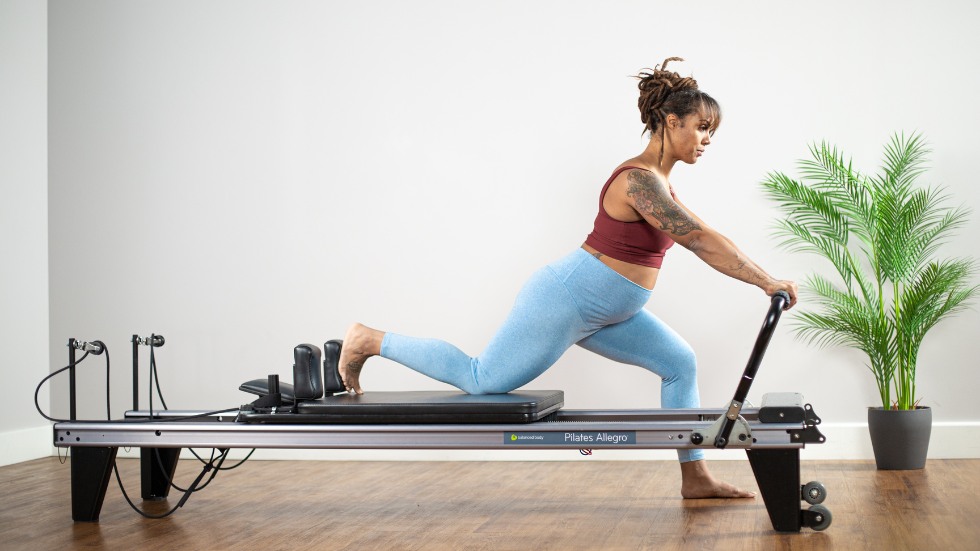
- The studio offers safe equipment – although many exercises can be performed on the mat, professional equipment like the reformer or chair allows for safe and effective modifications.
Pilates during Pregnancy – What to Avoid? Safety First!
Your comfort and safety are paramount. Pay attention to these warning signs and recommendations:
- Signs to Immediately Stop Training – any pain, dizziness, uterine contractions, or discomfort is a signal to stop exercising immediately and contact a doctor.
- Exercise Modifications – in the second half of pregnancy, avoid lying on your back and stomach. The same applies to positions that require transferring your entire body weight onto your hands and knees – they can cause wrist pain, especially if dealing with carpal tunnel syndrome. The instructor should suggest alternative positions, e.g., on your side or in a kneeling position. Remember that during pregnancy, muscles and joints are more flexible (thanks to relaxin), so do not stretch to your full range.
- Avoid Extreme Effort – Pilates is gentle, controlled movement. Avoid exercises that excessively raise your heart rate or are too strenuous.
An instructor properly prepared to work with pregnant women will suggest safe training positions depending on the trimester. The teacher should demonstrate, for example, how to properly lean forward using, among other things, an exercise ball.
Contraindications for Practicing Pilates During Pregnancy
Worrying symptoms that are absolute contraindications for attending Pilates classes include any bleeding or fluid leakage from the birth canal, unexplained back pain, pelvic pain, or sharp abdominal or chest pain.
Do not exercise if you experience extreme nausea, fever, uterine contractions, fainting, dizziness, difficulty walking, shortness of breath, and blurred vision.
Other symptoms that exclude participation in classes are:
- intrauterine growth restriction of the fetus,
- decreased fetal movement,
- placenta previa,
- cervical insufficiency,
- pregnancy-induced hypertension,
- swelling caused by fluid retention in the body,
- 3 or more miscarriages.
Mothers with more than 3 children, especially those born through natural childbirth, should also be cautious. In such cases, the pelvic floor muscles are much more weakened, which significantly impacts the safety of exercises.
Find the Perfect Pilates Studio for You
Pilates definitely supports the health of you and your baby. During this special time, choose wisely and prioritize quality. Balanced Body supports professional Pilates studios in Poland by providing them with the best equipment and training.
Want to find a studio in your area? Visit our map and start your journey with pilates during pregnancy! Remember, conscious motherhood begins with taking care of yourself.❤️

I am a graduate in Managerial Economics as well as Finance and Accounting, with a specialization in Marketing. Since 2018, I have been working as a Copywriter at Balanced Body, where I create marketing content for the fitness and Pilates industries. One of my particular strengths is translating complex topics into accessible language and accurately analyzing the needs of target audiences. Outside of work, I am passionate about fire shows and volleyball, which helps me better understand the needs of physically active people.